
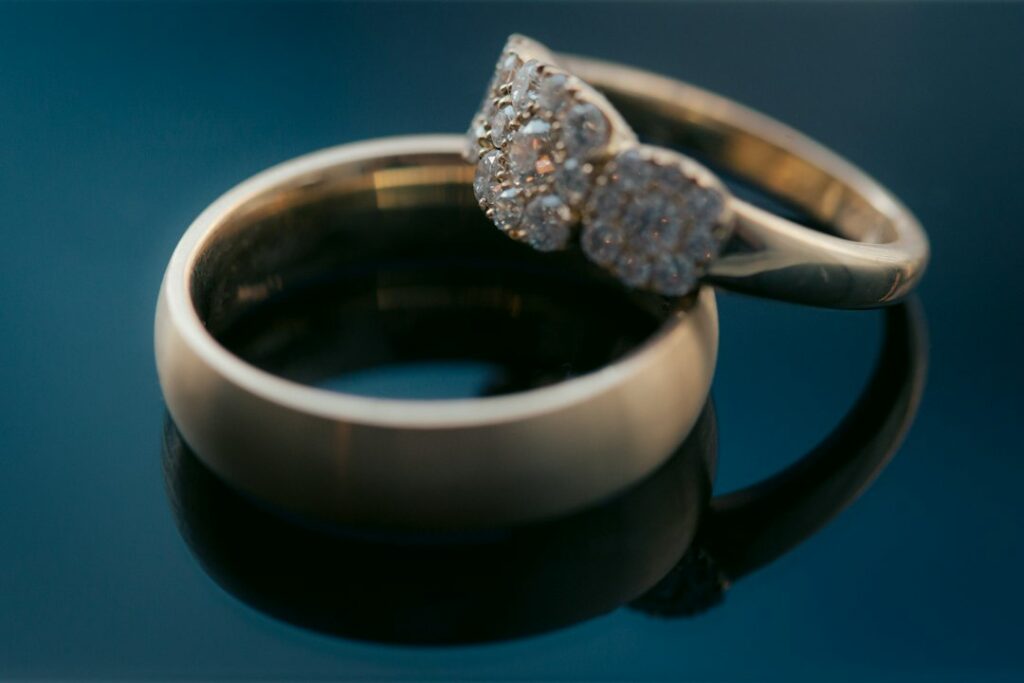
Jewelry, watches, heirlooms, collectibles, and other valuables may not be fully protected by a standard homeowners or renters insurance policy. The policy may provide some coverage, but special dollar limits, deductibles, exclusions, and documentation requirements can affect how much is paid after a loss.
Residents in Nashville, TN can reduce surprises by reviewing how valuable items are covered before a theft, accidental loss, storm-related claim, or other damage occurs.
Does homeowners or renters insurance cover jewelry?
Usually, yes—but often only up to a limited amount and only for certain types of losses. Jewelry is generally treated as personal property under a homeowners or renters policy. However, standard policies commonly place a separate limit on theft of jewelry, watches, and similar valuables.
That limit may apply in several ways:
- A maximum amount for all stolen jewelry combined
- A lower maximum for one individual item
- A deductible that reduces the claim payment
- Restrictions on accidental loss or unexplained disappearance
- Requirements to prove ownership and value
For example, a policy might cover theft of personal property generally but limit jewelry theft to a specific amount. If a ring, watch, and necklace together are worth substantially more than that limit, the policy may not provide enough protection to replace them.
The exact terms vary by policy. The declarations page may show the overall personal property limit, but the special limits and exclusions are usually found in the policy wording.
What is scheduled personal property?
Scheduled personal property is separately listed coverage for specific valuable items. Jewelry is one of the most common examples, but the same approach may apply to fine art, collectible coins, antiques, musical instruments, cameras, or other high-value possessions.
A scheduled item is normally insured for a stated amount based on an appraisal, receipt, or other valuation document. Scheduling can provide a higher limit than the standard policy and may offer broader protection.
Depending on the policy, scheduled coverage may include risks that standard homeowners or renters insurance does not, such as:
- Accidental loss
- Misplacing an item
- Dropping a ring into a drain
- Losing a watch while traveling
- Damage that is not connected to theft, fire, or another listed cause
Scheduling does not automatically mean every type of loss is covered. The policy may contain conditions involving negligence, wear and tear, intentional acts, defective workmanship, or unexplained disappearance. The covered causes of loss should be confirmed in writing.
Is an appraisal required?
An appraisal is often required for scheduled jewelry and may be requested for a claim involving an expensive item. It helps establish the item’s characteristics and estimated replacement value, but an appraisal is not the same as a guaranteed claim payment.
A useful appraisal should describe details such as:
- Type and purity of metal
- Gemstone identity, size, color, clarity, and cut
- Brand or maker, when relevant
- Distinguishing marks, serial numbers, or engravings
- Condition
- Estimated replacement value
- Photographs or other identifying information
Jewelry values can change over time, particularly when metal or gemstone prices move. An appraisal that is several years old may no longer reflect current replacement costs. Many households review scheduled values periodically, especially after purchasing a new item, receiving an inheritance, resizing a ring, or having a piece repaired or upgraded.
Keep the appraisal and receipts in a secure location separate from the jewelry itself. Digital copies can be useful, but they should be stored in a way that remains accessible if a phone, computer, or home is damaged.
Does coverage apply if jewelry is lost outside the home?
It may, but the answer depends on the coverage form. Standard policies often protect personal property away from the residence, subject to policy limits, exclusions, and the cause of loss. Scheduled coverage may provide broader protection for items carried during travel or worn regularly.
This matters for residents who take jewelry on vacations, wear valuable pieces to events, or store watches and heirlooms in more than one location. A hotel-room theft, luggage loss, or accidental loss during travel may be treated differently from a burglary at home.
Before traveling with valuable items, review:
- Whether the item is covered away from the residence
- Whether accidental loss is included
- Whether a deductible applies
- Whether the policy requires a police report
- Whether there is a separate travel or location restriction
- Whether the coverage amount reflects current value
Taking photographs before a trip can help document what was owned and its condition.
What should be documented?

A home inventory is one of the most useful tools for protecting valuable possessions. It does not increase the policy limit, but it can make it easier to establish ownership, identify missing items, and support a claim.
For each valuable, record:
- Clear photographs from several angles
- Purchase receipts or gift documentation
- Appraisals and repair records
- Serial numbers, inscriptions, and identifying marks
- Approximate purchase date and price
- Where the item is normally stored
- Any available family history for inherited pieces
Photograph jewelry on a plain background and include close-up images of hallmarks or engravings. For collections, a written inventory can be paired with a room-by-room video.
Nashville households may also want to account for seasonal routines. Jewelry may be stored in a vehicle during events, packed for travel, or placed in temporary locations during home repairs, severe weather preparation, or extended absences. Those details can affect how a loss is investigated.
How do deductibles and valuation affect a claim?
The amount paid after a loss depends on more than the item’s estimated value. The deductible, type of valuation, policy limit, and claim conditions all matter.
Actual cash value generally considers depreciation or age. Replacement cost coverage is intended to address the cost of replacing an item with one of similar kind and quality, subject to the policy’s rules and limits. Jewelry policies may use specialized settlement provisions, including repair, replacement through an approved source, or payment based on an agreed amount.
A high appraisal does not guarantee payment of that full amount. If the scheduled limit is lower than the current replacement cost, underinsurance may result. If the item’s market value has decreased, the insurer may still apply the policy’s valuation terms rather than simply paying the original purchase price.
Are heirlooms and sentimental items covered for their emotional value?
Insurance generally addresses financial value, not sentimental value. A family ring may be irreplaceable emotionally, but a claim is usually based on the cost or value recognized under the policy.
For inherited jewelry, gather any available records, including:
- Estate documents
- Prior appraisals
- Family photographs
- Repair or resizing receipts
- Written descriptions from relatives
- Information about the maker or approximate age
If no records exist, an appraisal can help document the item before a loss. Even then, a replacement may not carry the same family history.
What should be reviewed after buying or receiving jewelry?
Review coverage whenever a valuable item enters the household. This includes an engagement ring, anniversary gift, inherited watch, collectible, or jewelry purchased during travel.
Check whether the item should be scheduled separately, whether the current limit is adequate, and whether the policy covers accidental loss. Also review security and storage practices. A locked, anchored safe may reduce exposure, but storing everything in one location can create a concentrated loss if that location is discovered or damaged.
Flood damage is generally excluded from standard homeowners insurance, and coverage for valuables may depend on the separate flood policy’s terms. Water intrusion, storm damage, theft, and accidental loss should not be treated as interchangeable risks.
The most reliable protection comes from matching each item’s value, location, and typical use with the actual policy language. A current inventory, updated valuation, and clear understanding of special limits can prevent a valuable possession from being insured only on paper.
